Hospital Procedures
Hospital Procedures – Tehran Arrhythmia Center
If diagnostic evaluation at the clinic and review of the patient’s records indicate that more advanced hospital-based treatment is needed for the arrhythmia, patients are referred to affiliated hospitals of Tehran Arrhythmia Center, including Nikan Aghdasiyeh Hospital and Day Hospital.
The medical team, together with the nursing staff of Tehran Arrhythmia Center, performs the required hospital procedures such as the newer PFA technique, catheter ablation, cryoablation, pacemaker implantation, and other treatments.
Atrial fibrillation is one of the most common heart rhythm disorders, in which the normal rhythm of the heart becomes irregular. It may cause symptoms such as palpitations, early fatigue, and reduced ability to perform daily activities, and in many patients it increases the risk of stroke; timely diagnosis and treatment are therefore important.
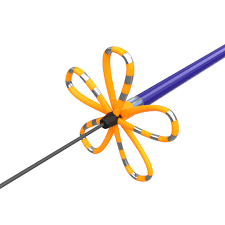
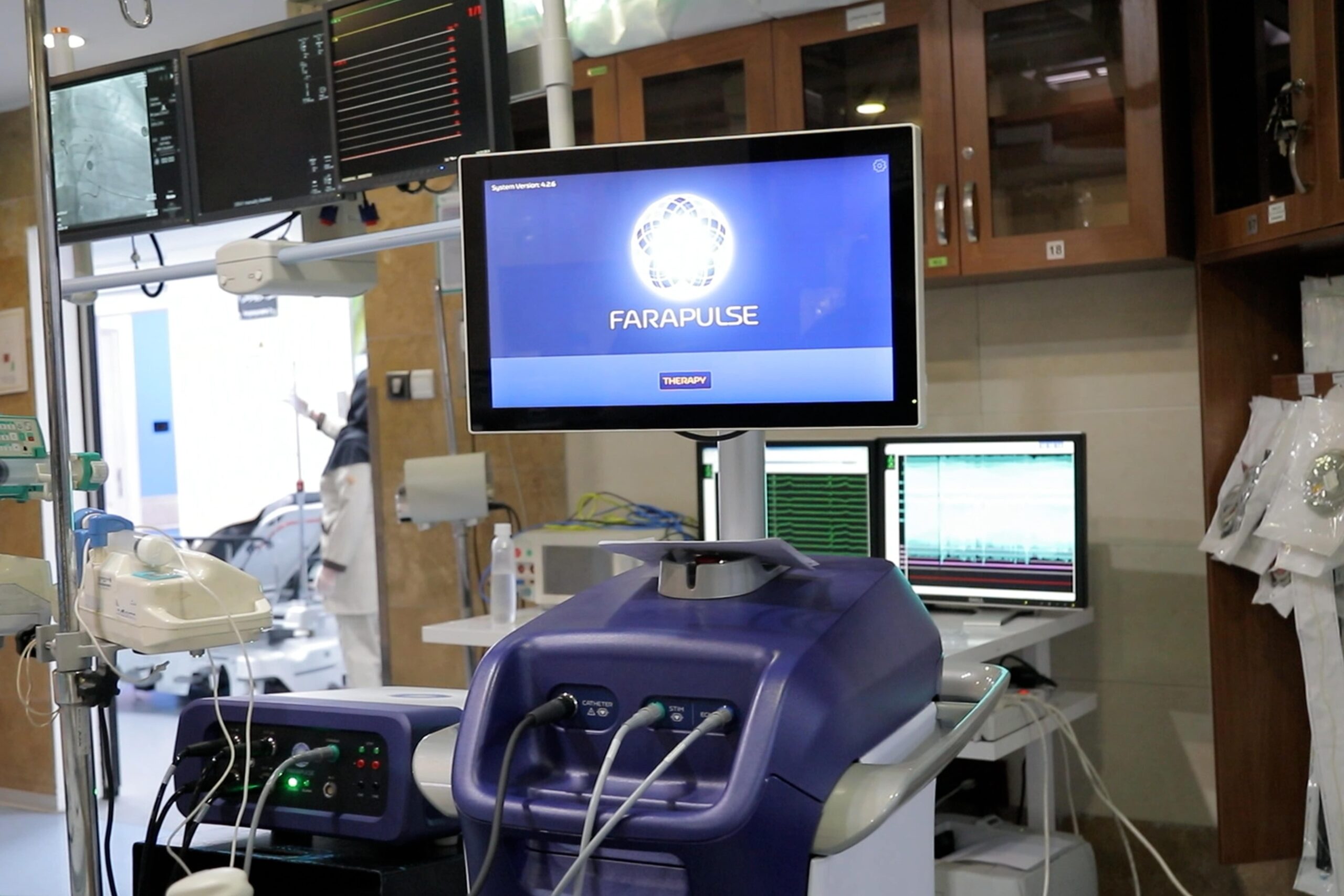
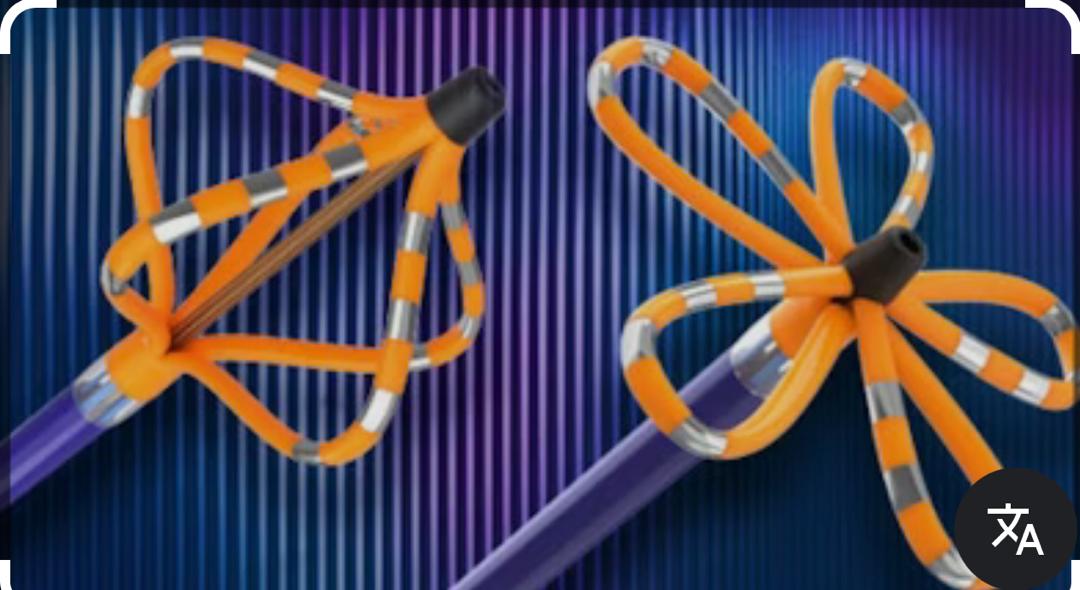
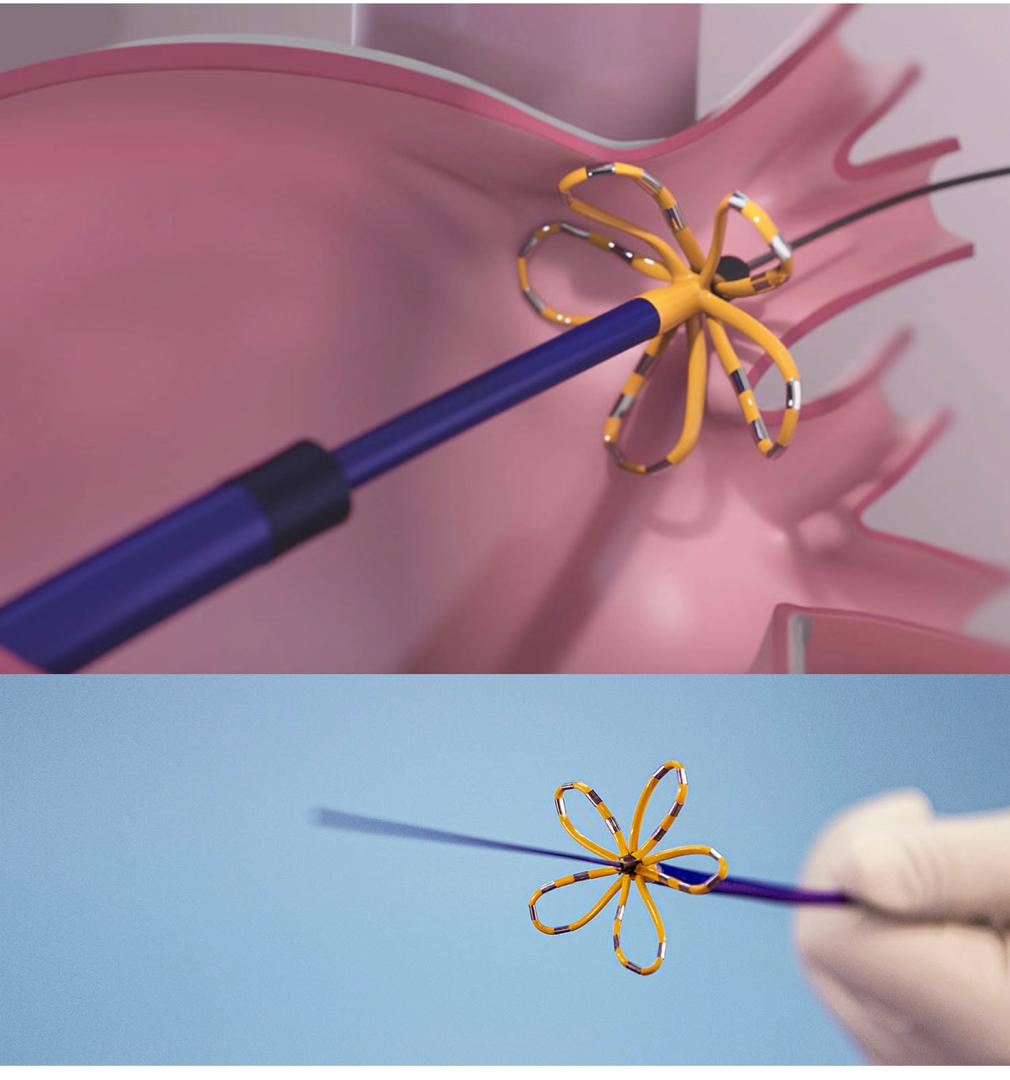
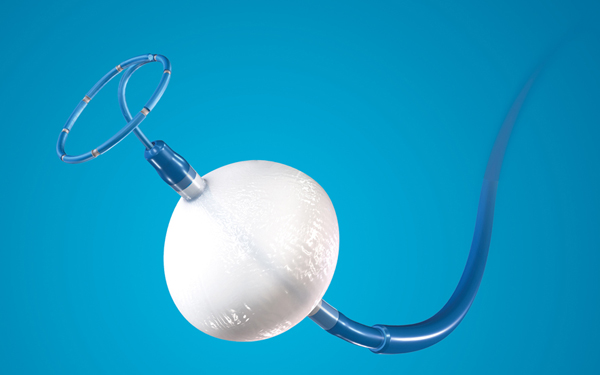
In recent years, Pulsed Field Ablation (PFA) has been introduced as a new approach for treating this type of arrhythmia. Instead of thermal or cryothermal energy, PFA uses very short electrical fields to inactivate pathways responsible for abnormal cardiac rhythm. The technique is designed to selectively target diseased myocardial cells while minimizing injury to sensitive surrounding structures such as the esophagus, nerves, and blood vessels. Clinical studies indicate that PFA may be associated with a lower risk of serious complications, shorter procedure times, and faster return to daily activities. For this reason, the technique has rapidly gained attention among cardiologists and electrophysiologists worldwide. Our subspecialty team at Nikan Aghdasiyeh Hospital now offers this newer treatment to patients with atrial fibrillation, using advanced equipment and more than 25 years of clinical experience alongside other established and effective treatments for atrial fibrillation.
Catheter Ablation
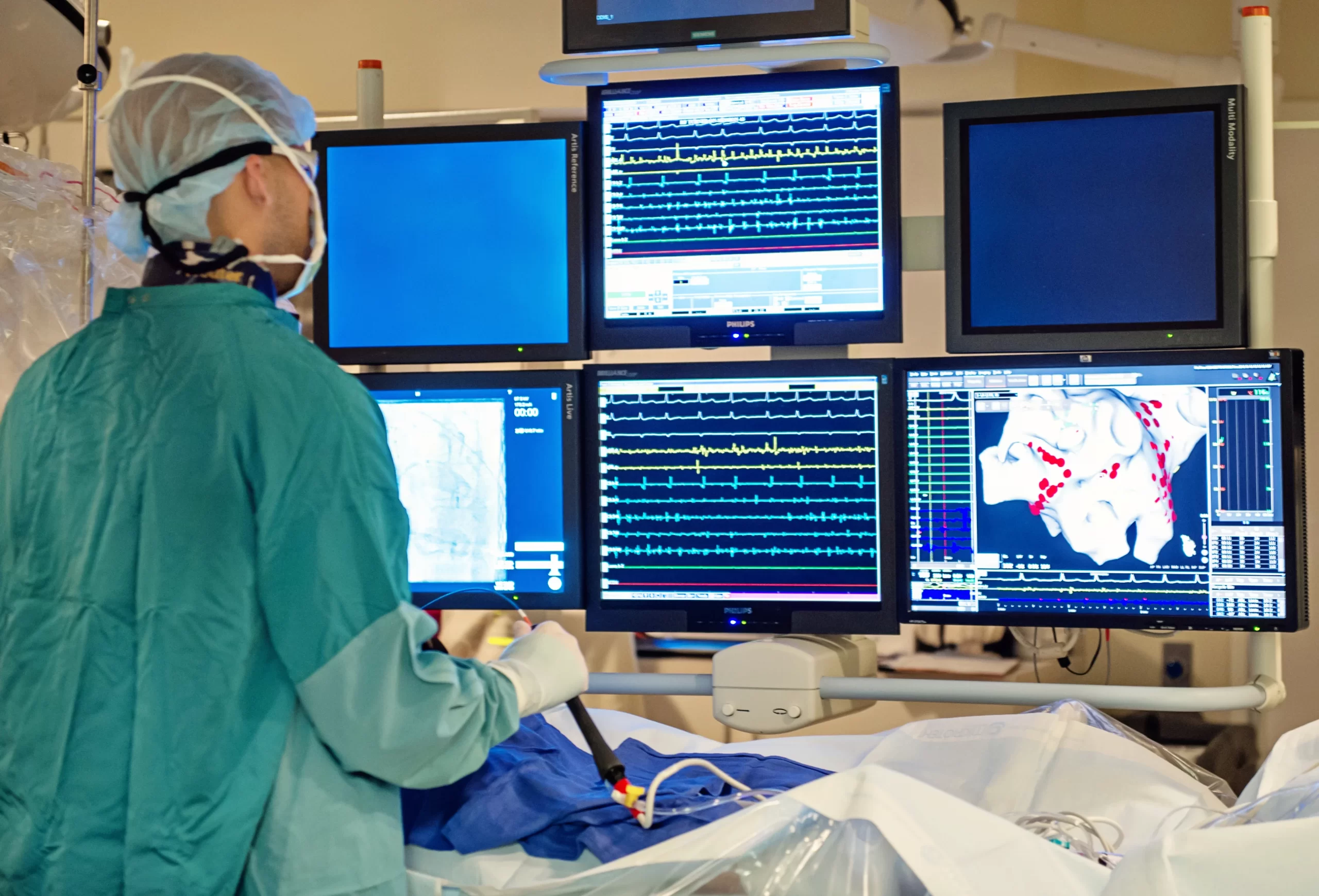
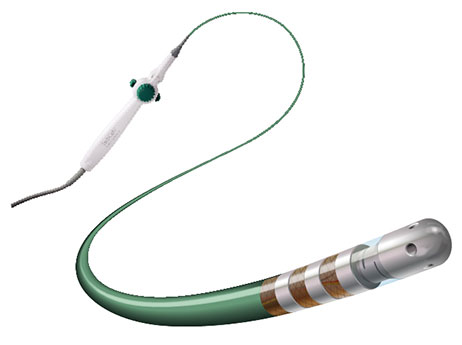
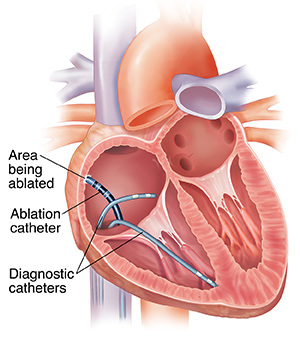
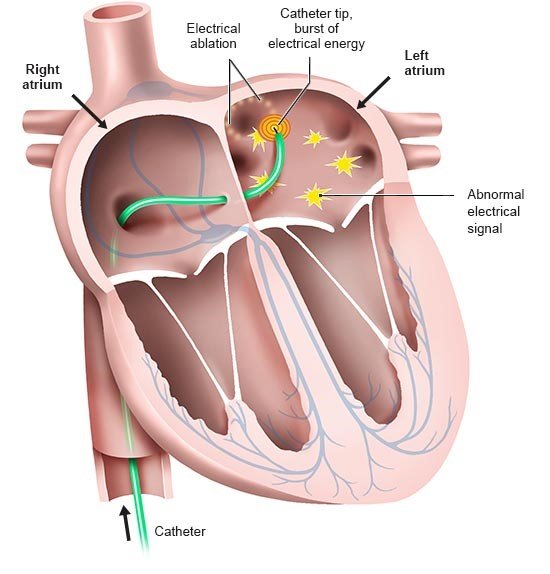
Catheter ablation is one of the main and most delicate hospital procedures used to treat cardiac arrhythmias. Several thin electrical catheters are advanced through the vessels of the groin toward the heart. Electrodes at the tips of these catheters record intracardiac electrical signals, which are displayed for the physician on a computer in the control room. Ablation is a team procedure, and its success depends greatly on the experience and skill of the medical team and operating-room technicians. By moving the catheters within the heart chambers, the physician identifies the arrhythmia focus and applies energy through the catheter tip to eliminate it. The aim is to abolish the arrhythmia and allow the patient to return to normal life.
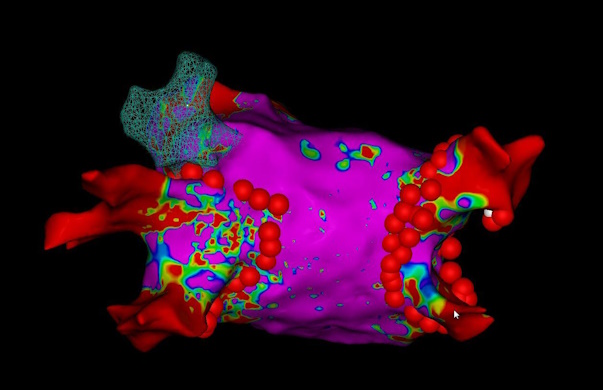
3D Ablation CARTO
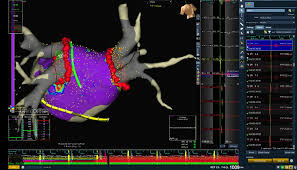
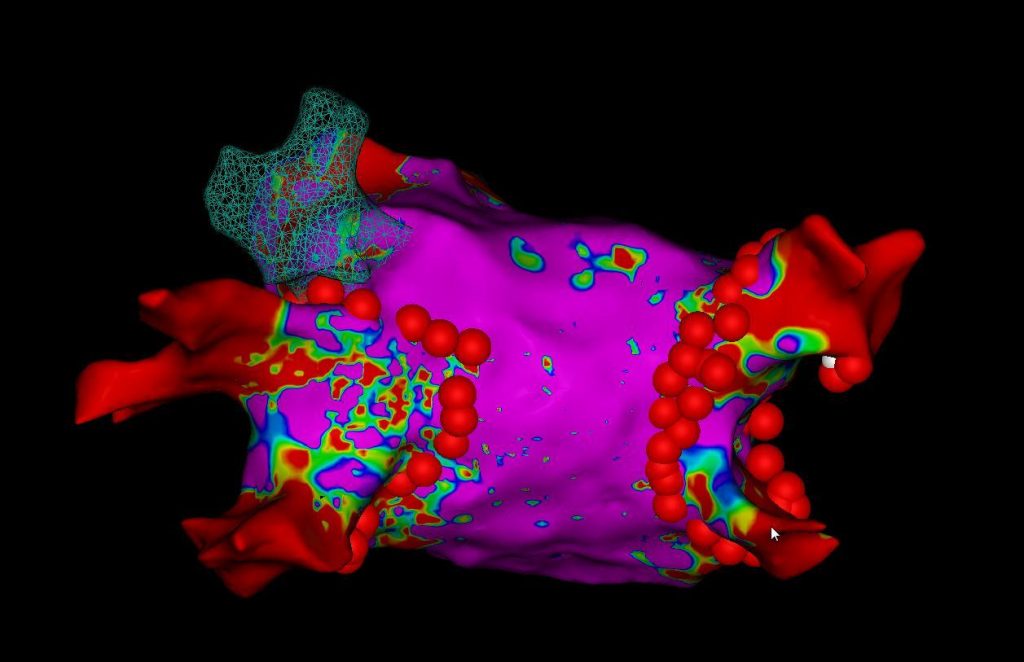
Because of the complex anatomy of the heart, some arrhythmias require three-dimensional mapping to identify the arrhythmia focus and perform effective ablation. Specialized medical-device systems can record large numbers of cardiac electrical or electromagnetic signals simultaneously and reconstruct the heart’s electrical and anatomical structure. This helps the physician localize the arrhythmia more precisely and guide the ablation catheter so treatment can be more effective and durable. An engineering team may also participate to optimize the mapping process.
At present, the CARTO Prime three-dimensional mapping system from Biosense Webster is installed at Nikan Aghdasiyeh Hospital, and the EnSite X three-dimensional mapping system from Abbott is installed at Day Hospital. These advanced systems play an important role in the treatment of complex cardiac arrhythmias.
The latest CARTO three-dimensional mapping system at Nikan Aghdasiyeh Hospital provides advanced capabilities for treating different cardiac arrhythmias. Physicians at Tehran Arrhythmia Center use this technology to identify the precise origin of abnormal cardiac rhythms.
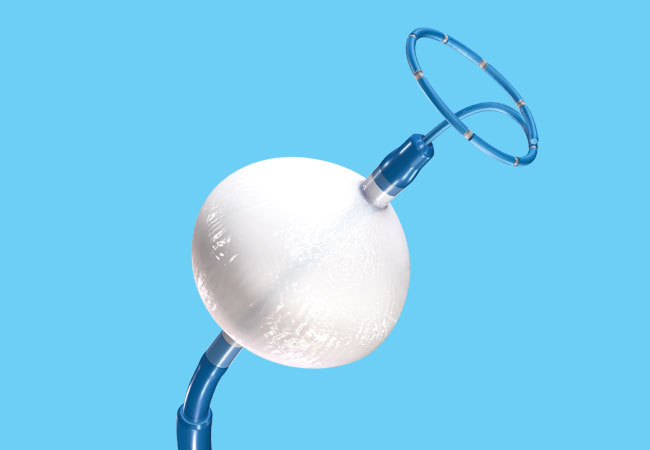
Cryoablation
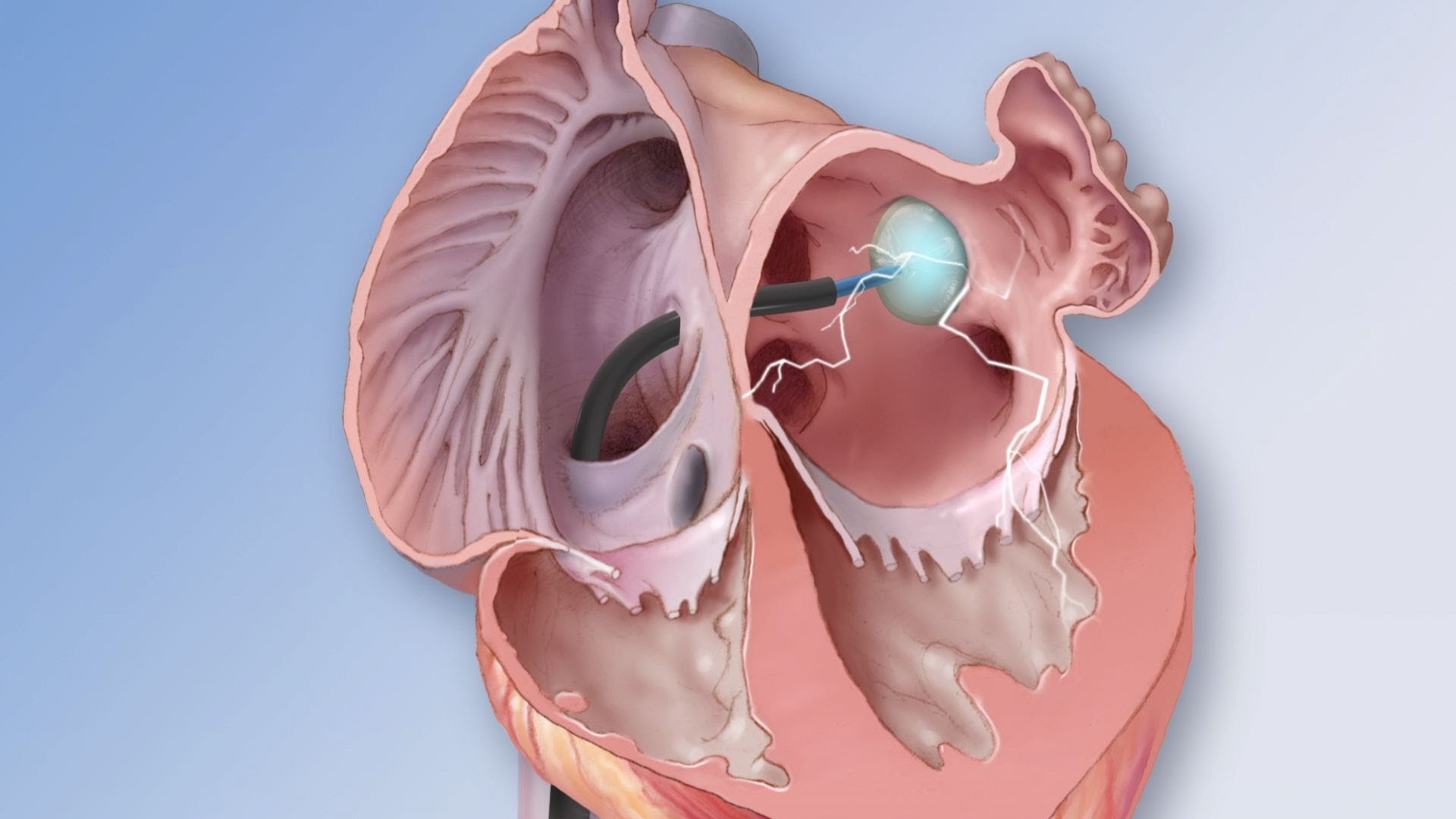
New cryoablation technology is available in the catheterization laboratories of Nikan Aghdasiyeh Hospital and Day Hospital. This technique has opened additional treatment options for patients with irregular cardiac rhythms such as atrial fibrillation.
It can also be useful for patients whose arrhythmia focus lies close to the heart’s normal conduction system, where thermal ablation could carry a risk of conduction injury and possible pacemaker requirement. In cryoablation, instead of destroying the arrhythmia focus with heat, controlled freezing injury is used. One advantage is a lower likelihood of injury to normal cardiac tissue compared with thermal ablation.
Tehran Arrhythmia Center physicians use this technology as one of the available approaches for selected cardiac arrhythmias, including atrial fibrillation and arrhythmias located near the normal conduction system.
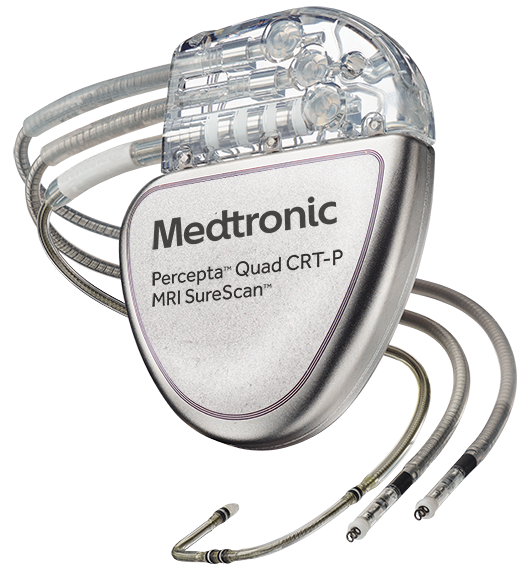
CRT Pacemaker
What is a CRT pacemaker and what role does it play in heart failure treatment? A CRT pacemaker, or cardiac resynchronization therapy device, is an advanced pacing system used in selected patients with advanced heart failure and specific electrical conduction abnormalities. By pacing different chambers of the heart in a coordinated manner, it helps improve the timing and synchrony of cardiac contraction and can improve overall cardiac function. At Tehran Arrhythmia Center, CRT is used as an established treatment option for appropriately selected patients with systolic heart failure and may improve symptoms, quality of life, and clinical outcomes.
How does CRT work? In some patients with systolic heart failure—such as those with prior myocardial infarction, hypertension, or cardiomyopathy—the ventricles do not contract in a coordinated fashion. This is called cardiac dyssynchrony. It is often associated with a widened QRS complex on the electrocardiogram and reflects abnormal electrical conduction.
How can CRT improve cardiac function? CRT delivers coordinated electrical impulses to the right and left ventricles to resynchronize contraction. This may: improve coordination of myocardial contraction; increase effective cardiac output; improve ejection fraction (EF); reduce symptoms of heart failure; and partially restore more efficient cardiac function. In many appropriately selected patients, CRT can also reduce recurrent hospitalization and slow progression of heart failure.
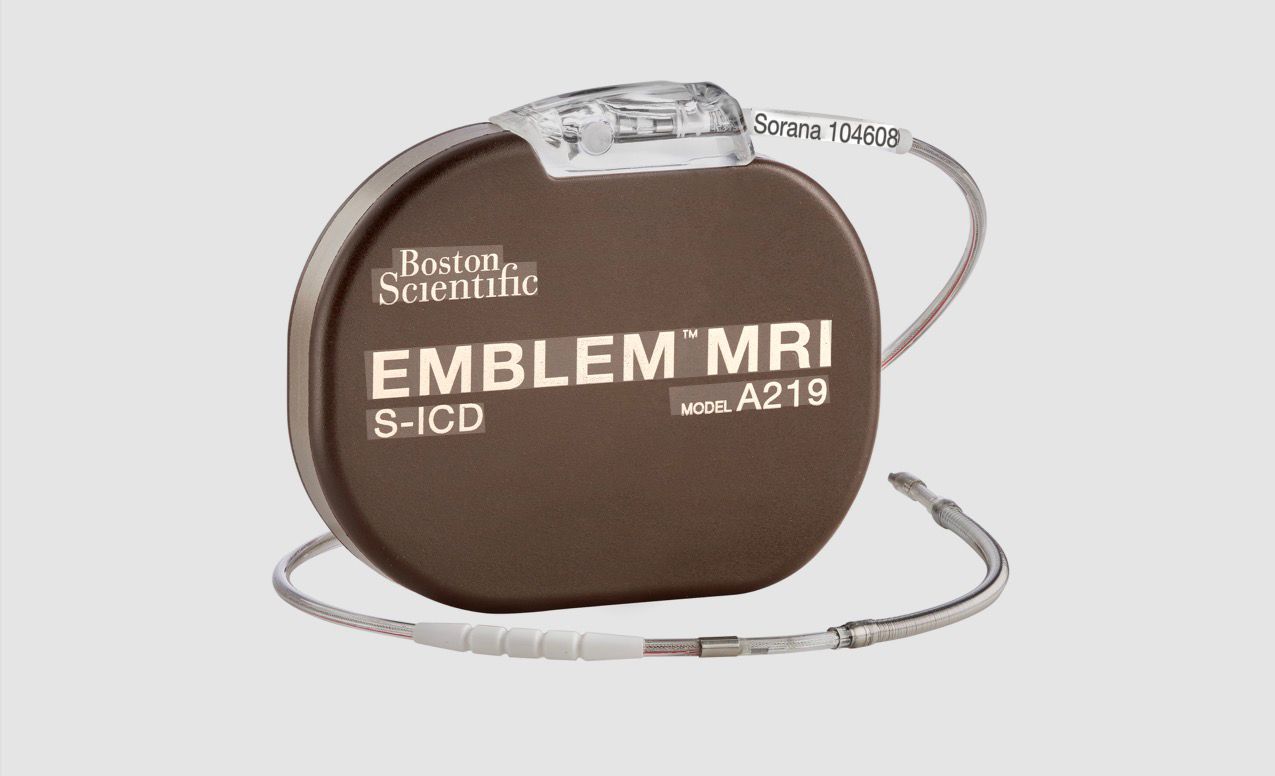
Subcutaneous ICD Implantation | S-ICD
Subcutaneous ICD (S-ICD) for prevention of sudden cardiac arrest A subcutaneous implantable cardioverter-defibrillator (S-ICD) is used in selected patients at risk of life-threatening ventricular arrhythmias. The device rapidly detects dangerous rhythms and can deliver an electrical shock to restore an effective rhythm and reduce the risk of sudden cardiac death.
At Tehran Arrhythmia Center, S-ICD implantation is offered as a modern option for appropriately selected high-risk patients.
How does an ICD help prevent cardiac arrest? Implantable cardioverter-defibrillators are used in patients at risk of dangerous arrhythmias such as:
Ventricular fibrillation (VF)
Ventricular tachycardia (VT)
Previous sudden cardiac arrest
The device continuously monitors cardiac rhythm and automatically delivers therapy when a dangerous arrhythmia is detected, with the goal of restoring a normal rhythm.
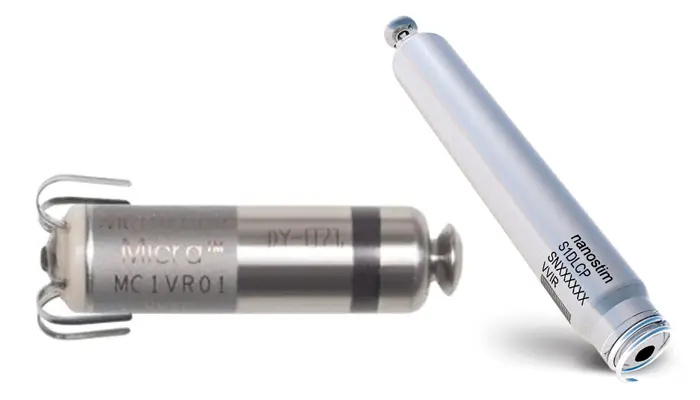
Leadless Pacemaker | Leadless Pacemaker
Leadless Pacemaker | A New Generation of Cardiac Pacing
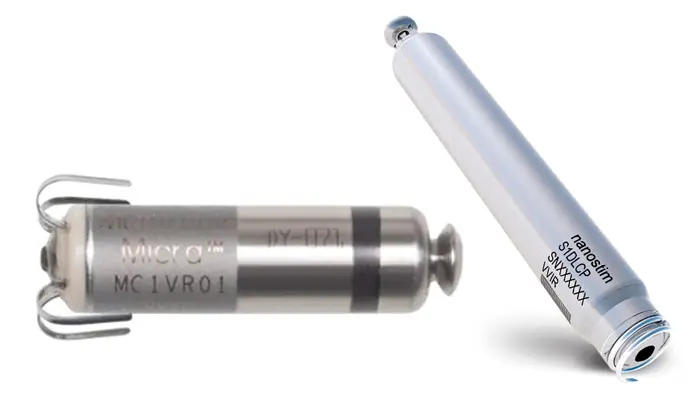
Standard pacemakers are usually placed in a subcutaneous pocket in the upper chest, with leads advanced through the veins into the heart. This approach has been used effectively for many years to treat bradyarrhythmias and conduction disorders. Modern technology has introduced leadless pacemakers, which are self-contained pacing devices implanted directly within the heart and avoid a chest pocket and transvenous lead.
How does a leadless pacemaker work?
No chest pocket is created.
No transvenous lead remains in the body.
The device is delivered through a leg vein, usually the femoral vein, and implanted directly in the right ventricle.
There is no visible chest incision or scar.
These features can substantially reduce complications related to leads and pocket infections.
Who may be a candidate for a leadless pacemaker?
Patients with bradycardia.
Patients with a history of cardiac-device infection.
Patients with limited upper-body venous access.
Patients for whom a less invasive approach is preferred.
Final candidacy is determined by a cardiac electrophysiologist after careful clinical assessment.
Leadless pacemaker implantation at Tehran Arrhythmia Center
Leadless pacemaker implantation is performed by cardiac electrophysiology specialists using advanced angiography facilities. The procedure is minimally invasive, usually through a leg vein, and patients often return to daily activities within a short period.
If you have a heart rhythm disorder or have been advised to receive a pacemaker, specialist consultation can help determine the most appropriate treatment pathway.
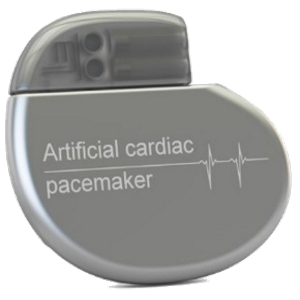
Dual-Chamber Pacemaker Dual Chamber Pacemaker
What is a Dual-Chamber Pacemaker?
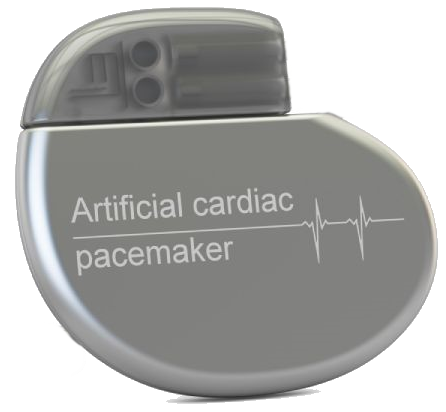
A dual-chamber pacemaker is one of the most commonly used pacing systems for treating conduction disorders and bradycardia.
By coordinating pacing of the right atrium and right ventricle, it helps preserve the normal sequence between the heart chambers and supports effective cardiac pumping.
At Tehran Arrhythmia Center, dual-chamber pacemaker implantation is performed after careful assessment by a cardiac electrophysiology specialist.
How does a dual-chamber pacemaker work?
One lead is positioned in the right atrium.
A second lead is positioned in the right ventricle.
The device monitors electrical activity in both chambers.
When needed, it delivers electrical impulses to coordinate contraction.
This allows the atrium to contract first and the ventricle to follow, resembling normal cardiac activation.
Advantages compared with a single-chamber pacemaker
A dual-chamber system can provide more physiological atrioventricular coordination.
It may reduce the risk of pacemaker syndrome.
It may improve symptoms such as dizziness and weakness.
It can improve quality of life in appropriately selected patients.
For these reasons, it is often preferred when clinically appropriate.