About Tehran Arrhythmia Center
History of Tehran Arrhythmia Center
In 2000, Iran’s first Arrhythmia Clinic and Arrhythmia Center was established with the creation of an electrophysiology unit at Rajaie Cardiovascular Medical and Research Center. In 2002, after leaving the heart hospital, Tehran Arrhythmia Clinic was established as the first subspecialty center in Iran dedicated to the diagnosis and treatment of cardiac diseases and heart rhythm disorders.
Over the years, through continuous effort, scientific commitment to providing the best and newest treatment methods, ethical commitment to selecting the most appropriate treatment for each patient, and efforts to expand public and professional awareness of cardiac arrhythmias, Tehran Arrhythmia Clinic earned the trust and support of patients and colleagues throughout Iran and in other countries.
Tehran Arrhythmia Clinic (Tavanir Arrhythmia Clinic) formally ended its activities in 2020, and its physicians continued their work at other centers. Unfortunately, use of the “Tehran Arrhythmia Clinic” name for commercial benefit from its history and reputation has continued; patients and colleagues are therefore advised to pay attention to the physicians working at each center.
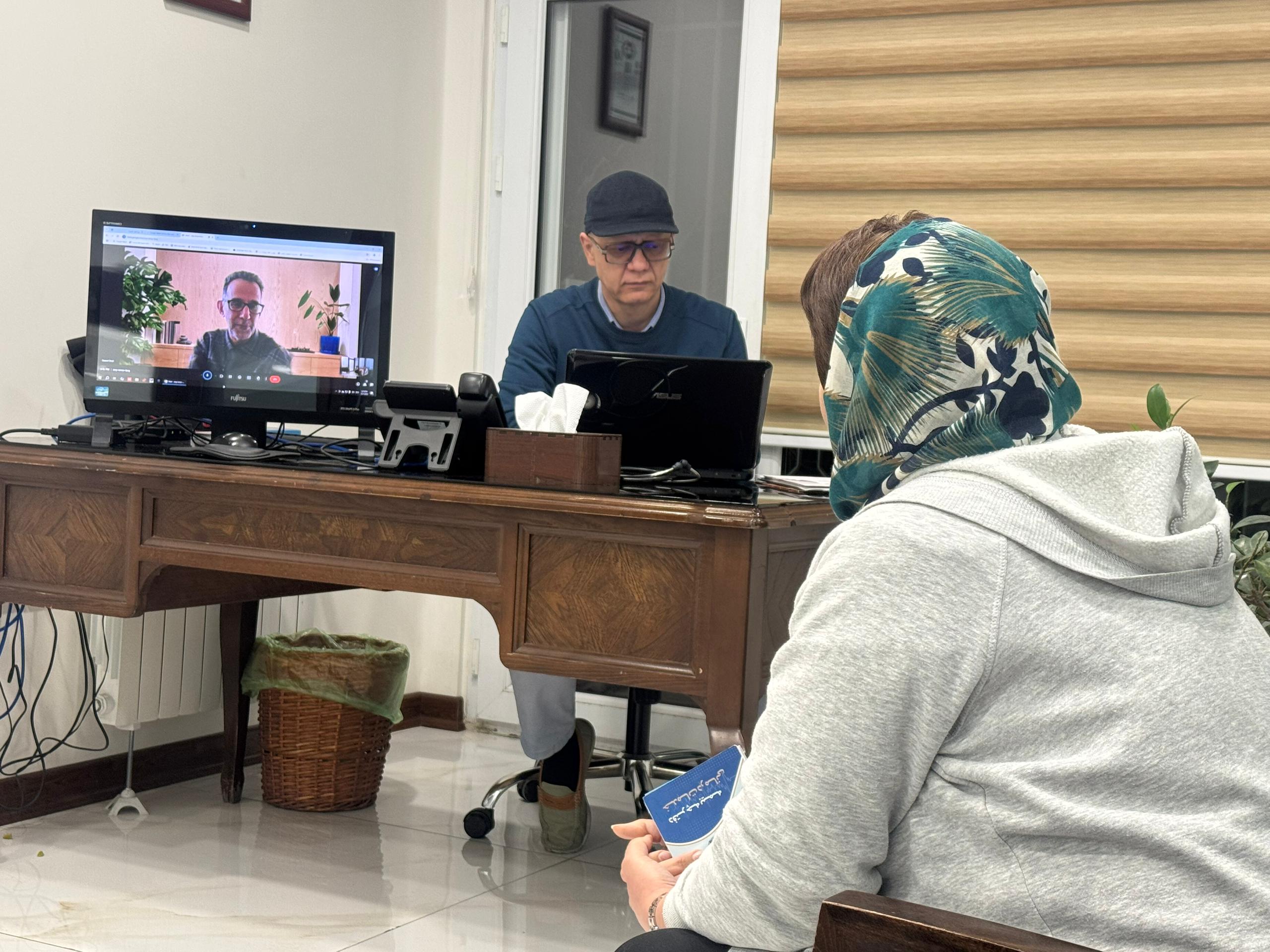
Tehran Arrhythmia Center has continued to serve patients with cardiac disease and arrhythmia through a new organizational structure, experienced personnel, and skilled physicians under the supervision of Dr. Saeed Oraei, the founder of the center.
The physicians and staff of this center have welcomed hundreds of thousands of patients from across Iran and neighboring countries. Tehran Arrhythmia Center provides current outpatient diagnostic facilities for a broad range of cardiac diseases. For hospital-based arrhythmia procedures, including electrophysiology study, ablation, pacemaker implantation, and ICD implantation, patients are referred to affiliated hospitals according to the procedure, hospital facilities, and insurance coverage. Two or three members of the Tehran Arrhythmia Center specialist team participate in hospital procedures.
We hope to remain committed to our fundamental principles: scientific and professional dedication to the best and newest treatments, and above all an ethical commitment to the patient’s best interests and to choosing the most appropriate treatment for each patient regardless of personal benefit.
About Tehran Arrhythmia Center
Cardiac arrhythmias (heart rhythm disorders) are described here as a major cause of death in Western countries and in many developing countries, including Iran. Although many people who experience cardiac arrest have known heart disease, sudden cardiac arrest also occurs each year in people who appear healthy, including athletes. Cardiac arrest is also described as a major cause of death among patients with conditions such as prior myocardial infarction or heart failure.
Another group of patients experience recurrent palpitations, fainting, or episodes of impaired consciousness. Many repeatedly attend emergency departments or take medications with significant cardiac or non-cardiac side effects without being aware of modern methods and technologies that may provide definitive treatment for some arrhythmias.
Cardiac arrhythmias can reduce both length and quality of life and also create a substantial economic burden on the healthcare system, while many rhythm disorders are among the more treatable and preventable conditions encountered in modern medicine.
In 2000, Iran’s first arrhythmia center was founded with the establishment of an electrophysiology unit and arrhythmia clinic at Rajaie Cardiovascular Medical and Research Center. In 2002, after leaving the heart hospital, Tehran Arrhythmia Center was established as Iran’s first private subspecialty center for the diagnosis and treatment of arrhythmias and is now continuing under the supervision of Dr. Saeed Oraei.
The center’s scientific and educational work and the successful treatment of tens of thousands of patients over the years have helped increase awareness of these conditions among both healthcare professionals and the public. Today, multiple centers across the country provide diagnosis and treatment of arrhythmias with experienced physicians.
Mission of Tehran Arrhythmia Center
- Increase public knowledge about these diseases as important and common causes of illness and premature death.
- Improve public awareness of warning symptoms of dangerous arrhythmias.
- Emphasize control of risk factors that can contribute to serious and disabling cardiovascular disease, including smoking, obesity, diabetes, hypertension, hyperlipidemia, and others.
- Emphasize the need for careful evaluation of close relatives of people who experience sudden death at a young age.
- Increase knowledge among healthcare professionals—including general practitioners, pediatricians, cardiologists, and neurologists—about cardiac arrhythmias through regular scientific content, educational seminars, and subspecialty consultation.
- Advance current knowledge of arrhythmias through research projects and collaboration with international research programs.
- Provide advanced subspecialty diagnostic and therapeutic services for cardiac arrhythmias at the level of leading arrhythmia centers worldwide.
Dear Colleagues and Patients
Tehran Arrhythmia Clinic ended its activities in 2020. Its physicians continued their work at other centers and agreed not to use the Tehran Arrhythmia Clinic name.
For appointments with individual physicians, please contact their own clinics. Please also be alert to misuse of this name for commercial benefit from its reputation and history.
About Tehran Arrhythmia Center
Cardiac arrhythmias (heart rhythm disorders) are described here as a major cause of death in Western countries and in many developing countries, including Iran. Although many people who experience cardiac arrest have known heart disease, sudden cardiac arrest also occurs each year in people who appear healthy, including athletes. Cardiac arrest is also described as a major cause of death among patients with conditions such as prior myocardial infarction or heart failure.
Another group of patients experience recurrent palpitations, fainting, or episodes of impaired consciousness. Many repeatedly attend emergency departments or take medications with significant cardiac or non-cardiac side effects without being aware of modern methods and technologies that may provide definitive treatment for some arrhythmias.
Cardiac arrhythmias can reduce both length and quality of life and also create a substantial economic burden on the healthcare system, while many rhythm disorders are among the more treatable and preventable conditions encountered in modern medicine.
In 2000, Iran’s first arrhythmia center was founded with the establishment of an electrophysiology unit and arrhythmia clinic at Rajaie Cardiovascular Medical and Research Center. In 2002, after leaving the heart hospital, Tehran Arrhythmia Center was established as Iran’s first private subspecialty center for the diagnosis and treatment of arrhythmias and is now continuing under the supervision of Dr. Saeed Oraei.
The center’s scientific and educational work and the successful treatment of tens of thousands of patients over the years have helped increase awareness of these conditions among both healthcare professionals and the public. Today, multiple centers across the country provide diagnosis and treatment of arrhythmias with experienced physicians.
Goals of Tehran Arrhythmia Center
- Increase public knowledge about these diseases as important and common causes of illness and premature death.
- Improve public awareness of warning symptoms of dangerous arrhythmias.
- Emphasize control of risk factors that can contribute to serious and disabling cardiovascular disease, including smoking, obesity, diabetes, hypertension, hyperlipidemia, and others.
- Emphasize the need for careful evaluation of close relatives of people who experience sudden death at a young age.
- Increase knowledge among healthcare professionals—including general practitioners, pediatricians, cardiologists, and neurologists—about cardiac arrhythmias through regular scientific content, educational seminars, and subspecialty consultation.
- Advance current knowledge of arrhythmias through research projects and collaboration with international research programs.
- Provide advanced subspecialty diagnostic and therapeutic services for cardiac arrhythmias at the level of leading arrhythmia centers worldwide.
History of Tehran Arrhythmia Clinic
In 2000, Iran’s first Arrhythmia Clinic and Arrhythmia Center was established with the creation of an electrophysiology unit at Rajaie Cardiovascular Medical and Research Center. In 2002, after leaving the heart hospital, Tehran Arrhythmia Clinic was established as the first subspecialty center in Iran dedicated to the diagnosis and treatment of cardiac diseases and heart rhythm disorders.
Over the years, through continuous effort, scientific commitment to providing the best and newest treatment methods, ethical commitment to selecting the most appropriate treatment for each patient, and efforts to expand public and professional awareness of cardiac arrhythmias, Tehran Arrhythmia Clinic earned the trust and support of patients and colleagues throughout Iran and in other countries.
Tehran Arrhythmia Clinic (Tavanir Arrhythmia Clinic) formally ended its activities in 2020, and its physicians continued their work at other centers. Unfortunately, use of the “Tehran Arrhythmia Clinic” name for commercial benefit from its history and reputation has continued; patients and colleagues are therefore advised to pay attention to the physicians working at each center.
Tehran Arrhythmia Center has continued to serve patients with cardiac disease and arrhythmia through a new organizational structure, experienced personnel, and skilled physicians under the supervision of Dr. Saeed Oraei, the founder of the center.
The physicians and staff of this center have welcomed hundreds of thousands of patients from across Iran and neighboring countries. Tehran Arrhythmia Center provides current outpatient diagnostic facilities for a broad range of cardiac diseases. For hospital-based arrhythmia procedures, including electrophysiology study, ablation, pacemaker implantation, and ICD implantation, patients are referred to affiliated hospitals according to the procedure, hospital facilities, and insurance coverage. Two or three members of the Tehran Arrhythmia Center specialist team participate in hospital procedures.
We hope to remain committed to our fundamental principles: scientific and professional dedication to the best and newest treatments, and above all an ethical commitment to the patient’s best interests and to choosing the most appropriate treatment for each patient regardless of personal benefit.